
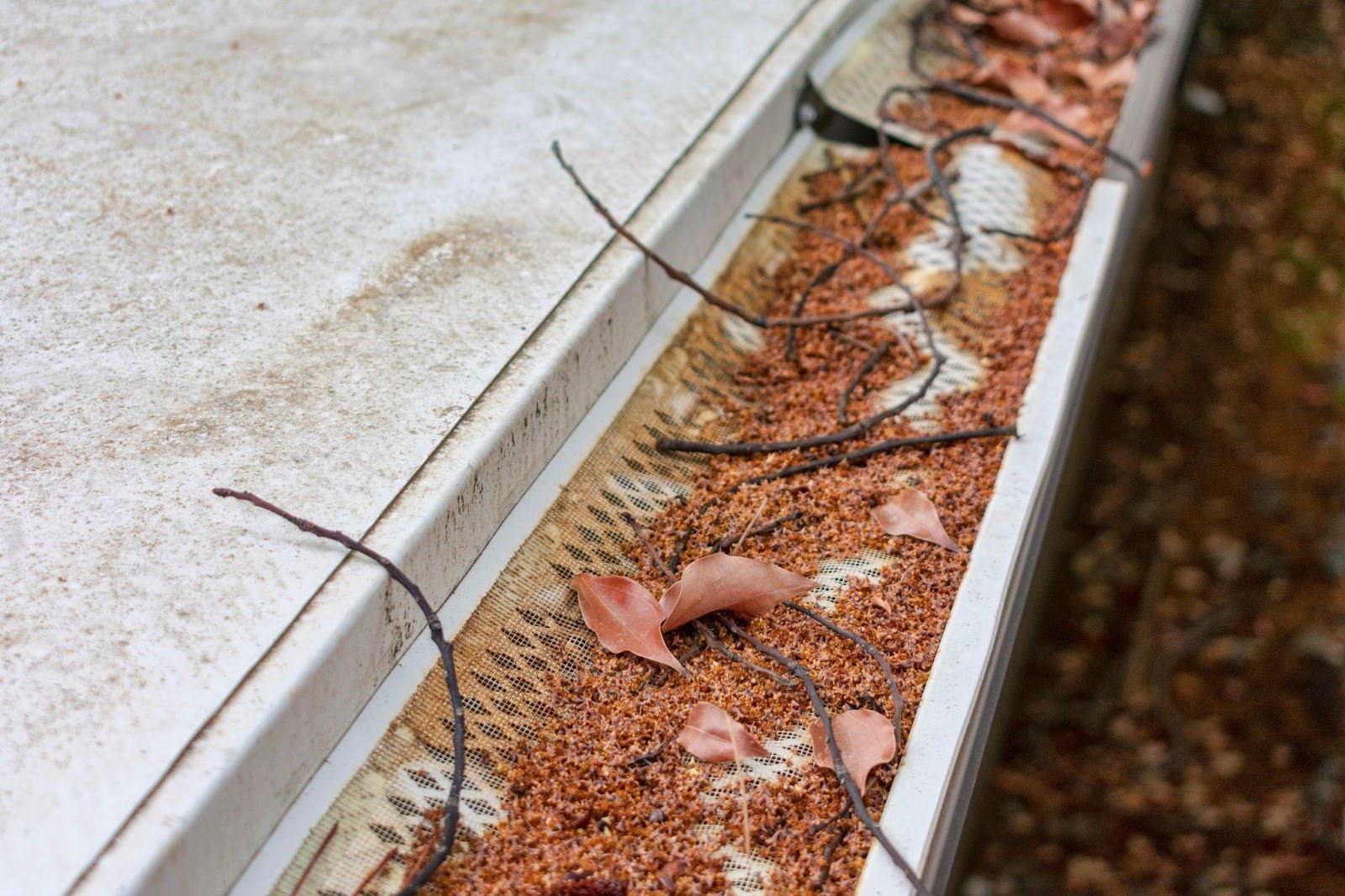
Gutter guards help reduce clogs and lower how often homeowners need rain gutter cleaning, but they don’t remove maintenance completely. Even durable gutter guards collect debris on top, which can block water flow. Understanding the pros and cons of gutter guards helps you decide whether they’re worth it, and how much cleaning you’ll still need to do.
Introduction
Homeowners often install gutter guards believing they’ll never have to worry about rain gutter cleaning again, but even the most durable gutter guards aren’t completely maintenance-free. Fine debris, such as dust, needles, and roof grit, still collects on top and affects how well the system drains.
In this guide, we’ll look at the real pros and cons of gutter guards, how they perform in different conditions, and what level of maintenance to realistically expect. By the end, you’ll know whether gutter guards are a smart fit for your home — and how to keep them working their best.
What are gutter guards?
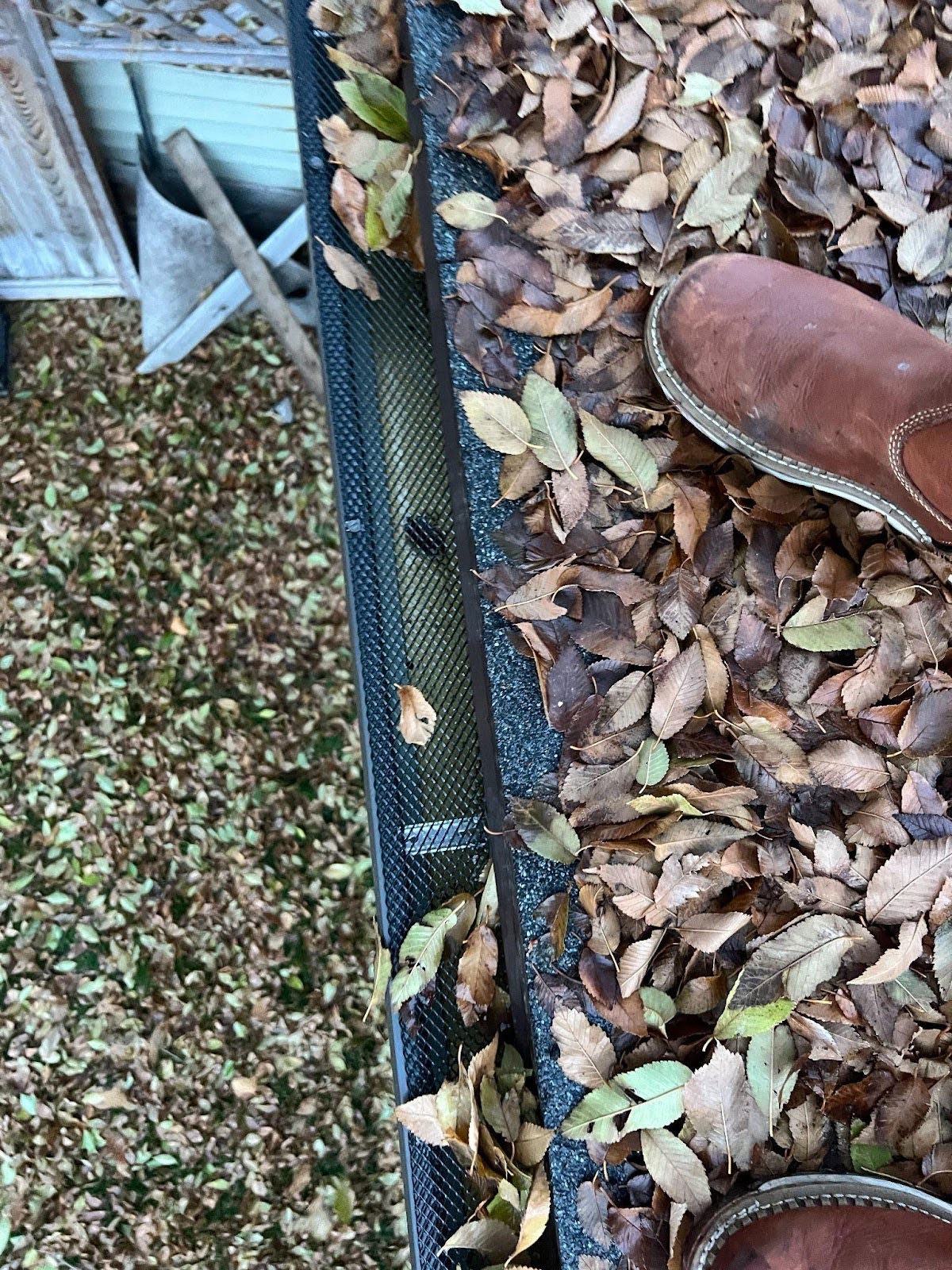
Gutter guards are protective covers or screens installed over your gutters to keep leaves, twigs, and other debris from entering the system. Their purpose is to help gutters drain more efficiently by blocking larger materials that commonly cause clogs.
They come in several styles — including mesh, screen, foam, brush, and reverse-curve designs — each filtering debris in a slightly different way. While the construction and materials vary, the basic idea is the same: create a barrier that lets water in while keeping unwanted debris out.
Pros of gutter guards
Gutter guards offer several practical advantages that help improve gutter performance and reduce maintenance needs.
- Reduce clogs by blocking leaves, twigs, and larger debris that normally cause backups.
- Lower overall cleaning frequency, making maintenance quicker and less demanding.
- Help prevent pests, since covered gutters are less appealing to birds, insects, and rodents.
- Improve water flow during storms by keeping major debris out of the system.
- Extend gutter lifespan by reducing standing water, corrosion, and stress on fasteners.
These benefits make gutter guards a useful upgrade for many homeowners, especially in debris-heavy areas.
Cons of gutter guards
Despite their benefits, gutter guards do have limitations to consider before installation.
- They still require periodic cleaning, since fine debris can collect on top or pass through certain styles.
- Some guard types perform poorly, especially foam and brush designs that trap debris rather than block it.
- Improper installation causes issues, including shifting, gaps, or water spilling over the gutter edge.
- Upfront costs are higher than basic annual gutter cleanings, which may not be suitable for every budget.
- Winter weather can affect performance, as snow and ice may sit on top of the guards until temperatures rise.
Understanding these drawbacks helps homeowners set realistic expectations and choose the right system for their needs.
Do you still need to clean gutters with guards?
The short answer is yes — gutter guards reduce the amount of debris entering your gutters, but they don’t eliminate maintenance. Fine materials, such as dust, needles, and roof grit, can settle on top of the guards and restrict water flow. Instead of full cleanouts, most homeowners only need light rain gutter cleaning to remove surface buildup and keep drainage working properly.
How often should you clean gutter guards?
Most gutter guard systems need a quick cleaning once or twice a year. Homes near heavy tree cover, high winds, or older roofs may require more frequent checks to clear debris that collects on top of even the most durable gutter guards. Regular light upkeep helps prevent backups and keeps your gutter system performing effectively.
Benefits of maintaining guarded gutters
Regular maintenance helps you get the full value of your investment and avoids problems that build up over time.
- Prevent water overflow and damage: Light rain gutter cleaning keeps debris off the guards, allowing water to drain correctly and protecting your home’s exterior.
- Extend the life of your gutter system: Clear gutters are less likely to sag, rust, or pull away from the fascia, improving durability.
- Reduce pest activity: Clean guards limit nesting spots for birds, insects, and rodents.
- Improve overall drainage performance: Removing buildup helps prevent water from pooling, staining, or eroding areas around your home.
- Enhance long-term value: Regular maintenance helps you get the most out of your gutter guards, reducing repairs and boosting long-term protection.

Common mistakes to avoid
Even when you understand the pros and cons of gutter guards, it’s easy to make mistakes that reduce their effectiveness. Avoiding these issues helps your gutter system work better and last longer.
- Ignoring maintenance completely
- Choosing the wrong type of guard
- Using high-pressure hoses
- Forgetting to check downspouts
- Not securing guards properly
- Ignoring roof debris
Recommended tools for cleaning gutter guards
Keeping your gutter guards clear doesn’t require specialized equipment. Using the right items prevents damage, supports the lifespan of durable gutter guards, and makes routine rain gutter cleaning easier.
- Soft-bristle brush or broom: Perfect for sweeping away leaves, pine needles, and roof grit without bending or scratching the guard surface.
- Garden hose with gentle spray nozzle: A low-pressure rinse helps clear fine debris without pushing water beneath the guards or loosening them.
- Ladder with stabilizer: A stable ladder standoff prevents leaning on the gutters and protects the guards from accidental pressure.
- Work gloves: Keep your hands safe from sharp edges, nesting debris, or small pests that may be hiding along the roofline.
- Gutter scoop: Useful for removing heavier buildup in sections where guards are removable.
- Leaf blower attachment (optional): On some guard types, a blower can quickly clear loose debris.
- Bucket or tarp: Makes cleanup easier and prevents debris from covering walkways or landscaping.
Using the right tools protects your gutter system and makes it easier to understand the real pros and cons of gutter guards for your home’s maintenance routine.
Gutter guard FAQs
Q1: Do gutter guards eliminate the need for rain gutter cleaning?
No. Gutter guards reduce clogs, but they don’t eliminate the need for maintenance. Dust, pollen, and small debris can still collect on top of the guards. Homeowners should plan for light rain gutter cleaning once or twice a year to keep water flowing properly.
Q2: Are durable gutter guards worth the investment?
For many homeowners, yes. Durable gutter guards handle weather, debris, and long-term wear far better than low-quality alternatives. They reduce cleaning frequency, improve drainage, and help prevent pest activity.
Q3: What type of debris still gets past gutter guards?
Fine materials, such as shingle grit, dust, floating pollen, and small needles, may settle on or slip through certain guard types. It’s helpful to inspect the system periodically to ensure debris isn’t restricting water flow.
Q4: How often should I inspect gutter guards?
Most homes benefit from inspections every six months, typically in spring and late fall. If you live near heavy tree cover or areas with strong seasonal winds, more frequent checks may be necessary to maintain performance.
Q5: Can gutter guards prevent ice dams?
Gutter guards don’t prevent ice dams. Ice forms when heat escapes from the roof and melts snow, which refreezes along the eaves. While guards help keep gutters clear, proper attic insulation and ventilation are the best defenses against ice dams.
Gutter guards for Utah homes
Utah’s climate plays a major role in how gutter guards perform. Homes along the Wasatch Front deal with spring runoff, fall leaf drop, and strong canyon winds that spread fine debris across roofs. Dust from Utah’s dry summers and shingle grit from freeze–thaw cycles can collect on top of the system.
Understanding the local environment helps homeowners weigh the pros and cons of gutter guards and choose the right maintenance schedule.
Keep your gutter guards performing their best with Wasatch Rain Gutters
Gutter guards are a smart investment for reducing clogs, improving drainage, and protecting your home; however, they still require occasional maintenance. With the right system, rain gutter cleaning, and regular inspections, your gutters can handle Utah’s changing seasons with ease.
If you’re considering installing durable gutter guards or need help maintaining your current setup, Wasatch Rain Gutters is here to help. Request a free quote, schedule a cleaning, or explore our full range of gutter protection services today.
Comments are closed