
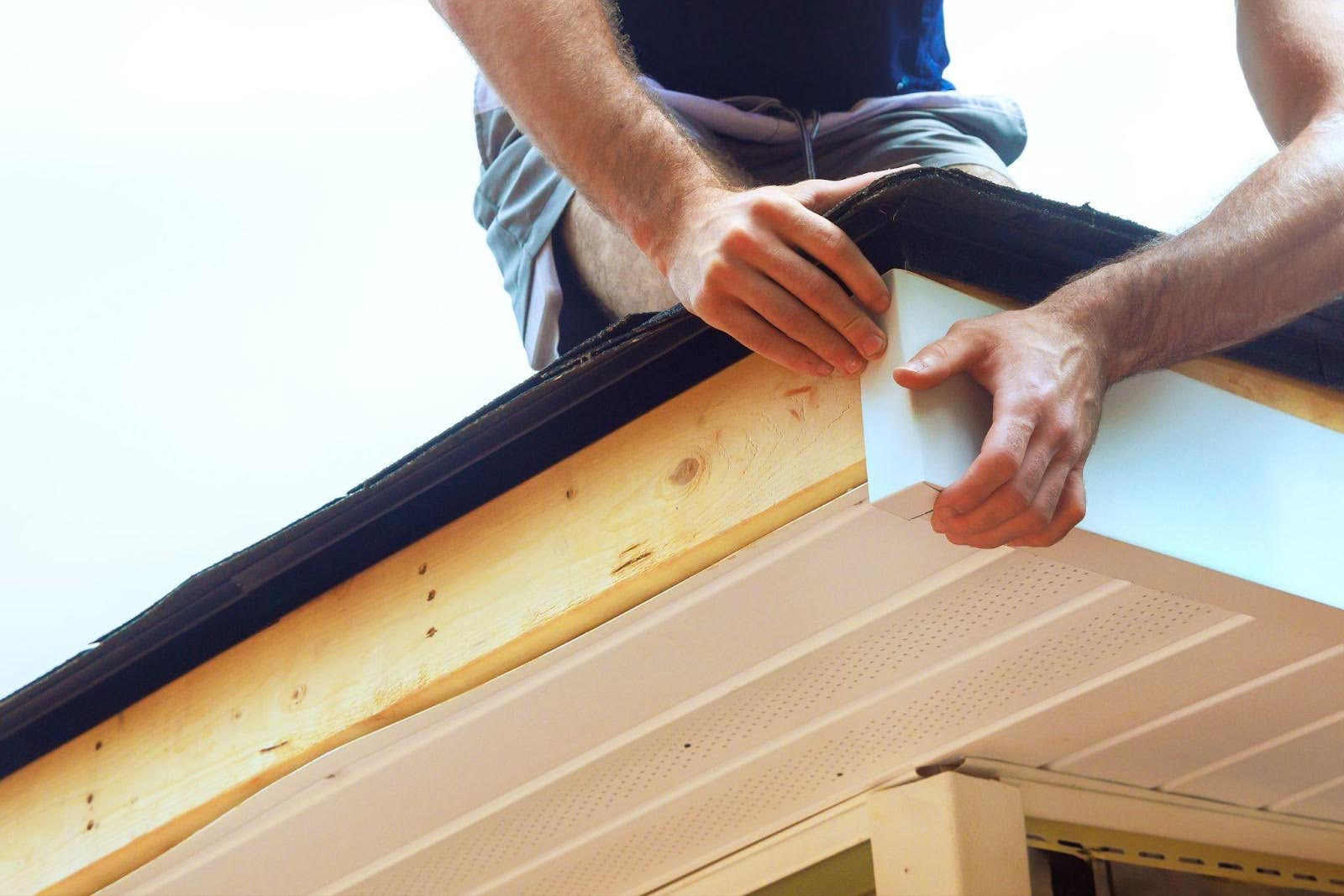
Your roofline protects your home from moisture, pests, and long-term structural damage, meaning you can’t ignore when it’s time to repair soffit or fascia.
From rotting trim to poor airflow, there are plenty of signs that your home may need a fascia board replacement or someone to repair soffit panels that aren’t holding up.
The good news?
Catching these problems early means fewer headaches down the road.
Let’s walk through the most common fascia and soffit issues, how to spot them, and what steps to take to protect your home.
What are fascia and soffit — and why do they matter?
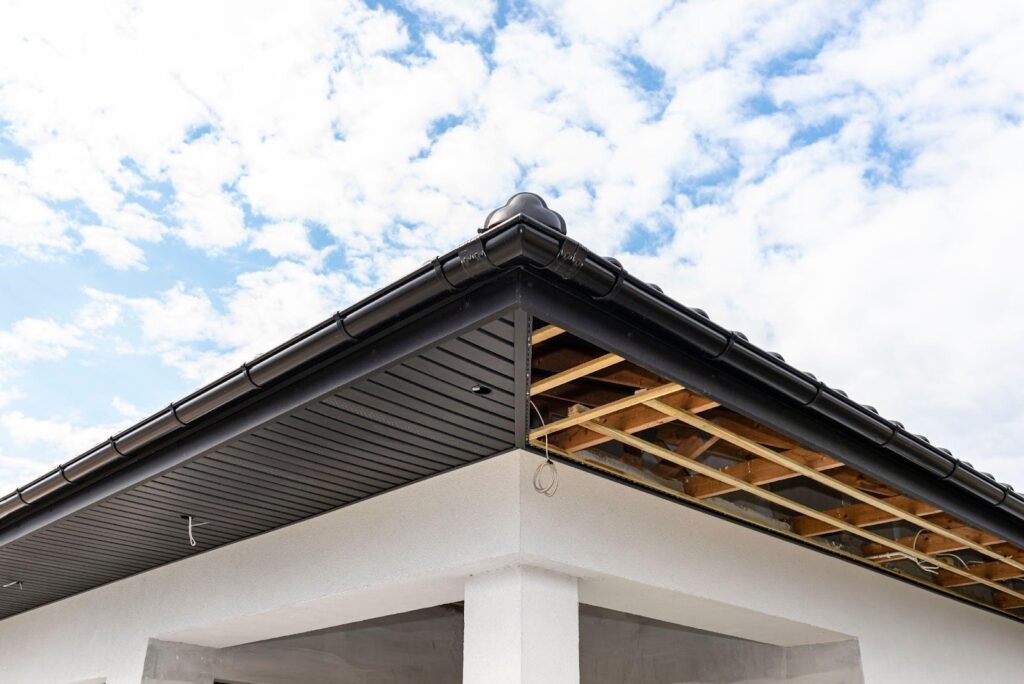
Fascia is the long horizontal board that runs under your roof edge. It holds your gutters in place and helps seal off the roofline from water and pests.
Soffit is the exposed underside of your eaves. It allows airflow into your attic and keeps your rafters protected from the elements.
Together, fascia and soffit act as a barrier between your roof and the rest of your home. When one starts to rot, crack, or sag, your entire gutter system is at risk. That’s when fascia board repair or soffit replacement becomes necessary.
Without proper airflow and water control, moisture can collect in your attic or behind the trim, leading to mold growth, ice dams, and weakened roofing structures. A small effort to repair soffit panels or fix fascia early will prevent a much bigger issue later on.
Signs your fascia or soffit needs attention
Your fascia and soffit are not the most noticeable parts of your home, but when something goes wrong, the symptoms add up fast. Recognizing the early warning signs helps you avoid major repairs later on.
Peeling paint or warped wood
While peeling paint may seem like a cosmetic issue, it’s often the first sign of moisture problems beneath the surface. Ignoring it can lead to further damage that eventually requires full fascia board repair or replacement. Repainting alone is most likely not enough to solve the root cause.
If you notice streaks, stains, or peeling paint under your eaves, water may be seeping behind the soffit. This often indicates issues with your drip edge, roofing, or gutters. Even with functioning gutters, damaged soffits won’t shield your rafters from moisture. Depending on the extent of the damage, you may need both soffit repair and some level of fascia board repair to resolve the issue.
Visible rot or mold
Brown or black stains near the eaves are signs of water damage. One of the most common issues with fascia is wood rot caused by prolonged moisture exposure. Mold and mildew around your soffits often indicate poor ventilation, a clear sign that it’s time to repair or improve the airflow in your soffit panels.
Whether from clogged gutters, missing drip edge flashing, or roof runoff, water seeping behind the boards leads to decay. If you notice soft spots or crumbling wood, it’s time for fascia board replacement.
Pest or bird activity
Birds, squirrels, and wasps love small openings near your roofline. If you’re seeing droppings, nests, or chewing marks, your soffits may have gaps or are beginning to fail.
These common pests look for any weak point along your roofline. Cracked, broken, or sagging soffit panels make easy entry points. Once pests enter, they may chew through insulation, damage wiring, and cause ongoing health and safety issues. The best solution is to repair soffit openings quickly and reinforce the area with durable materials to prevent future nesting.
Sagging gutters
Gutters that sag or pull away from the house might not be the problem; however, the fascia supporting them may have rotted or be too weak to hold their weight. In this case, fascia board replacement is often the only way to restore the structural integrity of your gutter system.
Fascia provides pivotal support for your gutter system. If the board has rotted or begun to detach, the gutters can sag or even break away entirely. This damages your gutters and may lead to foundation issues from improper drainage.
Cracks and separation
Over time, fascia boards may split or separate at the seams, especially when improperly sealed or exposed to temperature swings. Even small cracks let water in — leading to bigger problems like water damage.
Older soffit materials — especially wood — can warp or crack due to moisture, intense sunlight, or seasonal temperature fluctuations. Vinyl panels may also sag from incorrect installation. These issues don’t only affect appearance; they leave your rafters exposed to the elements.
Poor attic ventilation
Soffits play a major role in circulating air through your attic. When they’re blocked, damaged, or not vented properly, heat and moisture get trapped inside. It’s common to see mold growth, warped wood, and even ice dams in the winter when this happens.
In many cases, homeowners only notice the problem after spotting moisture stains or musty smells — clear signs that it’s time to repair soffit panels and restore proper airflow.
How to fix or replace damaged fascia and soffit
Repairing fascia and soffit starts with understanding the source of the problem.
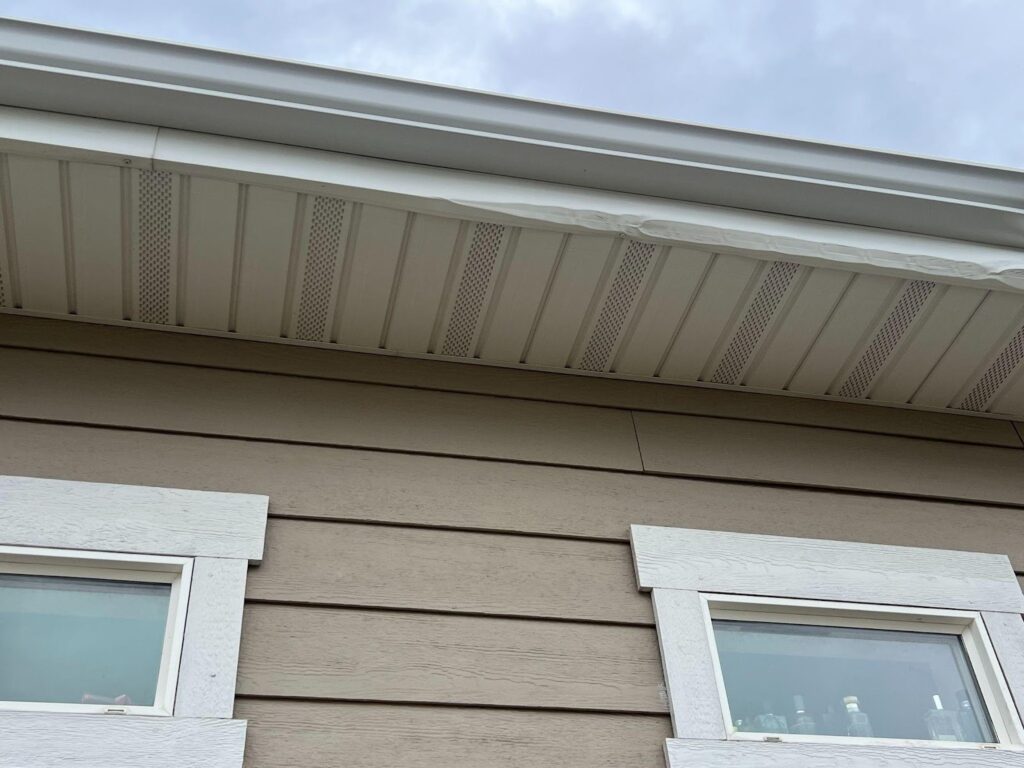
Sometimes the issue is visible, like cracking, sagging, or peeling paint, but other times, damage hides behind gutters or underneath roof edges. A careful inspection helps determine whether you need a simple fascia board repair or a more involved fascia board replacement.
Repairing minor fascia and soffit issues
If the damage is in small sections, repairs may be enough. This includes patching soft spots, tightening loose areas, repainting sealed wood, or replacing a few damaged boards.
When the structure is still sound, a skilled technician can repair soffit panels or reinforce fascia without touching the entire roofline. This often happens when water runoff or pest activity affects a single area.
Replacing heavily damaged boards
When rot, mold, pests, or water damage has spread, small fixes won’t hold up. In these cases, a full fascia board replacement ensures your gutter system has the solid support it needs. Replacement may also be necessary if your soffits have extensive moisture damage or are hard-to-restore outdated material.
Why professional installation matters
Fascia and soffit repairs often require removing gutters, cutting precise board lengths, sealing edges properly, and ensuring everything gets vented and weatherproofed. DIY work may seem tempting, but if you install the system incorrectly, problems quickly return. Professional fascia board repair or soffit replacement provides long-term protection and helps prevent recurring issues.

Protect your fascia and soffit long term
Once you repair or replace your fascia and soffit, the next step is preventing the same problems from returning.
Keep your gutters clean
Clogged gutters are one of the biggest causes of fascia and soffit damage. When gutters overflow, water weeps behind the boards, leading to rot, mold, and sagging. Regular cleanouts help prevent moisture buildup and reduce the need for future fascia board repairs.
Watch for early warning signs
Peeling paint, small cracks, odd noises in the attic, or water stains under the eaves are all indicators that something needs attention. Addressing problems quickly often means a simple repair soffit job instead of a larger replacement.
Install or maintain drip edge flashing
A properly installed drip edge keeps water from sneaking behind your fascia. If you’re scheduling a fascia board replacement, this is an ideal opportunity to have a professional inspect the flashing or upgrade it for improved protection.
Trim trees and manage debris
Branches that hang too close to your roof may scrape soffits, trap moisture, and create easy access points for pests. Keeping trees trimmed back helps protect the structural components around your roofline.
Choose durable materials
If you’re already planning for a fascia board repair or replacement, consider vinyl or aluminum materials. They’re resistant to moisture, pests, and warping, making them a smart long-term investment.
Routine inspections and seasonal care make a huge difference in preventing damage.
Trust your soffit and fascia to Wasatch Rain Gutters
Whether you’re dealing with peeling paint, sagging trim, or water damage, take action now. Our experienced team at Wasatch Rain Gutters will help with everything from small fascia board repair projects to full fascia board replacement and complete soffit restoration.
We understand how Utah’s weather affects these parts of your home, and we know what it takes to keep them performing well.
If you have cracks, warping, or pests in your soffit panels, we can repair soffit sections or install new, durable materials that improve ventilation and protect your roofline. We make it easy to keep your home safe and looking great.
Call Wasatch Rain Gutters today to schedule your fascia and soffit evaluation — and help your home stay protected all year round.
Comments are closed